
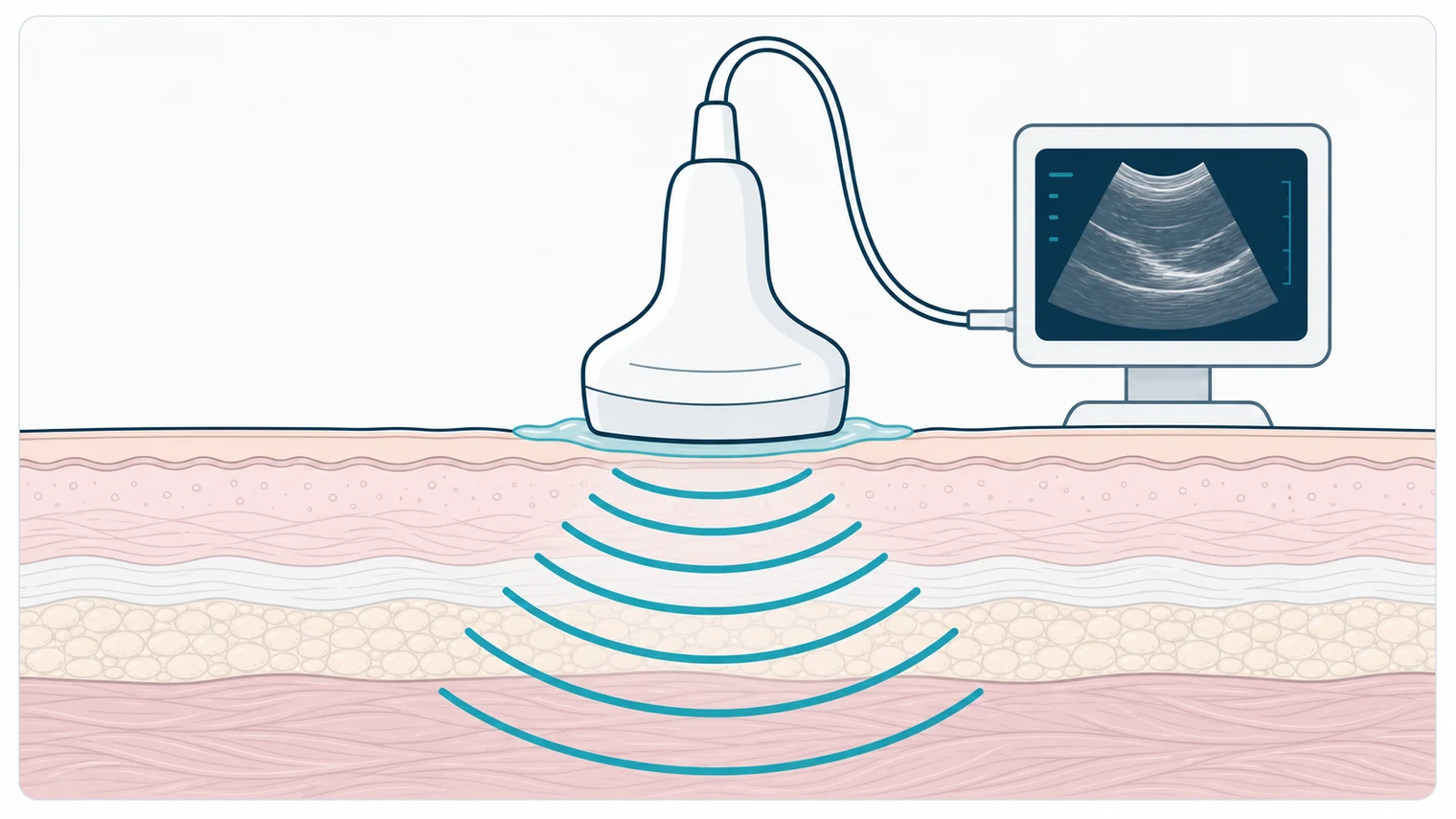
Ultrasound ranks among the safest medical imaging techniques available, but like any medical procedure, it's natural to wonder about possible side effects and what's involved.
Key Takeaways
- Ultrasound has no known harmful side effects when used appropriately
- It uses sound waves rather than radiation, so it's safe for pregnancy and children
- Minor discomfort during the scan is normal and short-lived
- Professional guidelines keep ultrasound practice safe
- Mobile ultrasound holds to the same safety standards as hospital procedures
Want safe, professional ultrasound care? - Book your mobile ultrasound today!
Is Ultrasound Safe? The Scientific Evidence
Yes, ultrasound is very safe. Decades of research and billions of procedures have shown it to be one of the safest medical imaging methods around.
Why Ultrasound is Safe
- No ionising radiation: Unlike X-rays or CT scans, ultrasound uses sound waves
- Non-invasive: No needles, injections, or surgery required
- Real-time imaging: Lets the sonographer assess straight away, without repeated exposure
- Targeted application: Energy is focused only where needed
Medical Consensus: Major medical organisations worldwide, including the FDA, WHO, and Royal Australian and New Zealand College of Radiologists, confirm ultrasound's safety profile.
Ultrasound Safety During Pregnancy
Pregnancy ultrasounds are safe, and they're a standard part of prenatal care.
Safety for Mother and Baby
- No radiation exposure: Safe at every stage of pregnancy
- No known foetal harm: Large studies show no adverse effects
- Multiple scans are fine: When medically indicated
- Early detection benefits: Picks up possible issues sooner
Professional Guidelines
Medical professionals follow strict guidelines:
- ALARA principle: "As Low As Reasonably Achievable" exposure
- Minimum necessary exposure time
- Appropriate power settings
- Qualified operator requirements
What to Expect: Normal Sensations During Ultrasound
Ultrasound has no harmful side effects, though you might notice a few normal sensations during the scan:
During the Procedure
- Cool gel sensation: Conductive gel can feel cold at first
- Mild pressure: Transducer pressure helps the sonographer get clear images
- Slight discomfort: Particularly with full bladder scans
- Warmth: A small amount of skin warming (normal and harmless)
After the Procedure
- No after-effects: You can pick up your normal activities right away
- Gel residue: Wipes off easily with the towels provided
- Temporary skin marks: From transducer pressure (these fade quickly)
When to Tell Your Sonographer
Complications are very rare, but let your sonographer know if you notice any of these during the scan:
- Unusual pain: Anything beyond normal pressure discomfort
- Allergic reactions: To gel or equipment materials (very rare)
- Anxiety or claustrophobia: We can adjust your positioning
- Difficulty breathing: When lying flat for longer periods
Professional Tip: Talking to your sonographer during the scan helps keep things as comfortable as possible.
Safety Standards in Mobile Ultrasound
Mobile ultrasound services hold to the same strict safety standards as hospital-based scans.
Modia Health Safety Protocols
- Certified sonographers: Fully qualified clinicians
- Hospital-grade equipment: The same gear used by major hospitals
- Regular calibration: Equipment tested and serviced on schedule
- Infection control: Strict hygiene protocols
- Emergency procedures: Trained for any situation
Ultrasound Safety for Children
Paediatric ultrasounds are completely safe, and they're often the preferred imaging option for kids.
Benefits for Young Patients
- No sedation needed: Unlike some other imaging procedures
- No radiation exposure: Particularly important for growing bodies
- Quick scans: Minimal time away from normal activities
- Parents can stay: You can be there during mobile scans
Addressing Common Safety Concerns
"Can ultrasound cause cancer?"
No, it can't - ultrasound uses non-ionising sound waves that cannot damage DNA or cause cancer.
"Does ultrasound heat body tissues?"
There's a tiny amount of heating, but it sits well within safe limits and dissipates quickly.
"Can ultrasound cause birth defects?"
There's no evidence linking diagnostic ultrasound to birth defects when it's used appropriately.
"Is frequent ultrasound harmful?"
Multiple scans are safe when they're medically indicated and performed by qualified professionals.
Pre-Ultrasound Safety Checklist
For the safest, smoothest experience, work through this checklist:
Before Your Appointment
- Follow preparation instructions: Fast or fill your bladder as directed
- Tell us about allergies: Any known sensitivities
- List your medications: Some can affect imaging
- Raise any concerns: Anxiety, special needs, or anything else on your mind
During Your Appointment
- Speak up about discomfort: Say something if the pressure feels too firm
- Ask questions: Get a clear picture of what's happening
- Stay relaxed: Tension can affect image quality
- Follow the sonographer's lead: They'll guide you on breathing and positioning
Mobile Ultrasound: Added Safety and Comfort
Mobile ultrasound brings a few extra safety benefits:
- Familiar environment: Less anxiety and stress
- Infection control: Avoid hospital-acquired infections
- Personalised attention: One-on-one care
- Family support: Loved ones can be there with you
- Flexible scheduling: No rushed procedures
Book Safe, Professional Mobile Ultrasound
At Modia Health, your safety is our top priority. Our certified sonographers bring hospital-quality care directly to you, working to the highest safety standards.
Our Safety Commitment
- Fully certified, experienced sonographers
- Modern equipment, serviced on schedule
- Full safety protocols
- Quick access to medical support if it's needed
- Strict infection control measures
Book Your Safe Mobile Ultrasound Today
For Home Visits:
Book Home Ultrasound - Safe, comfortable care at home
For Aged Care Facilities:
Book Facility Visit - Specialised safety protocols
Related Safety & Healthcare Resources
Learn More About Our Safe Services:
- Ultrasound Preparation Guide - Get ready for your safe scan
- Infection Prevention Protocols - Our safety measures
- Complete Ultrasound Services - Full range of safe imaging
- How Mobile Ultrasound Works - Technology and safety
Safety Guidelines and References
This information draws on guidelines from:
- Australian Society for Ultrasound in Medicine (ASUM)
- Royal Australian and New Zealand College of Radiologists (RANZCR)
- World Health Organization (WHO)
- U.S. Food and Drug Administration (FDA)
- International Society of Ultrasound in Obstetrics and Gynecology (ISUOG)
Disclaimer: This information is for educational purposes only and shouldn't replace professional medical advice. Always check with a qualified healthcare provider for proper diagnosis and treatment recommendations.


